The Decision
If you own a male cat, you have been through this conversation with yourself at least once: should I neuter him? When is the right time? Is it safe?
After talking to our vet and doing our research, we decided to go ahead with ultrasound-guided neutering — a modern technique that uses ultrasound to locate blood vessels before cutting, resulting in less bleeding, a smaller incision, and faster recovery. Today was the day for our golden British Shorthair, Didi.
Preparing for the Big Day
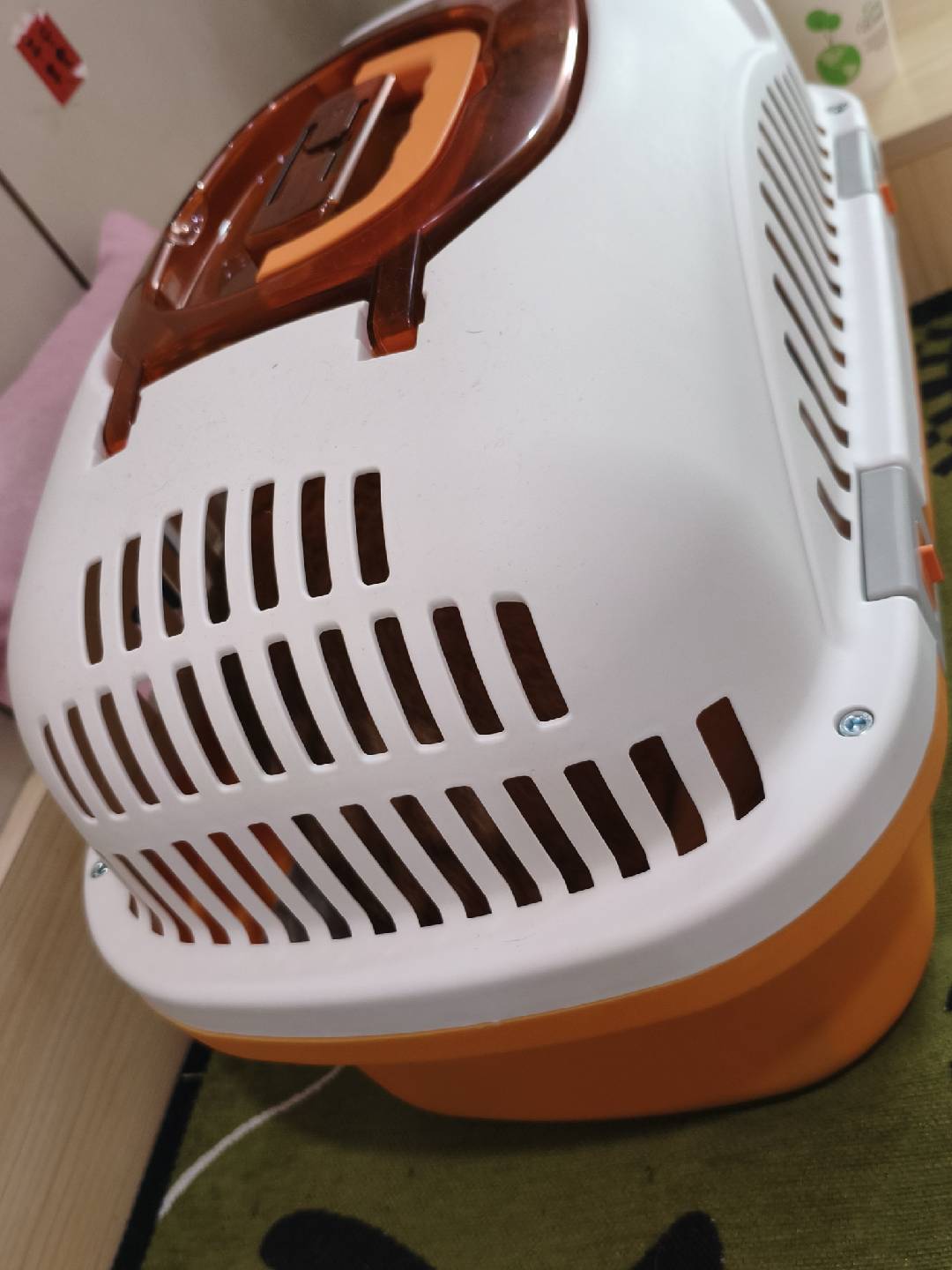
The vet advised 4 hours of fasting before the procedure. Didi was not thrilled about skipping breakfast — British Shorthairs take their food very seriously. But we held firm. When it was time to leave, we brought out the carrier. And of course, Didi knew something was up the moment he saw it.
At the Veterinary Clinic
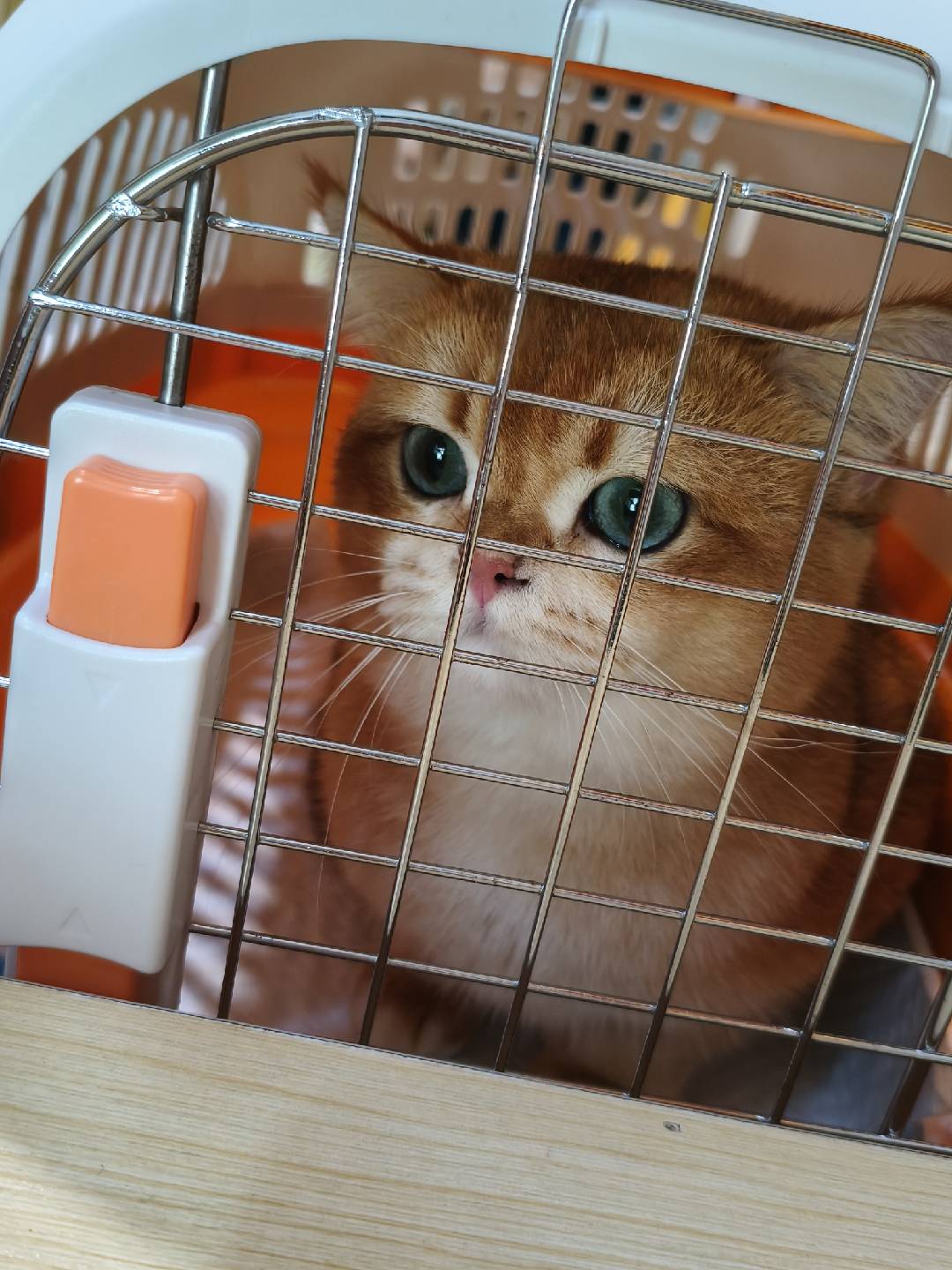
Arriving at the hospital, Didi peered through the carrier door with those big green eyes. If looks could talk, he was definitely asking “Why are we here, human? This does not look like a fun trip.”
The doctor did a full consultation — temperature check, heart rate, breathing, general condition. Everything looked great. Then came the weigh-in.
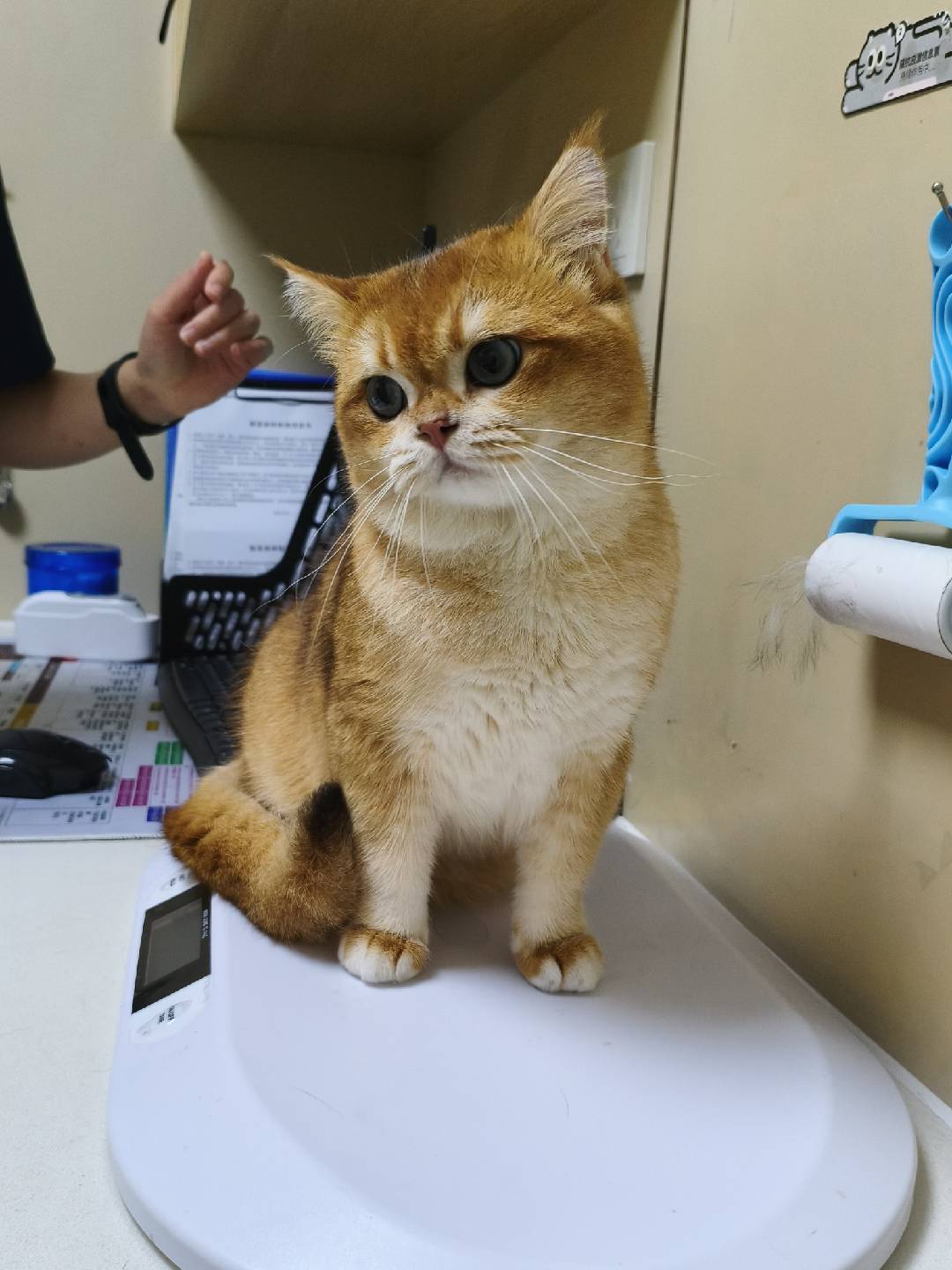
5.2 kg of pure golden fluff. The vet said he is in excellent health and a perfect candidate for the procedure.
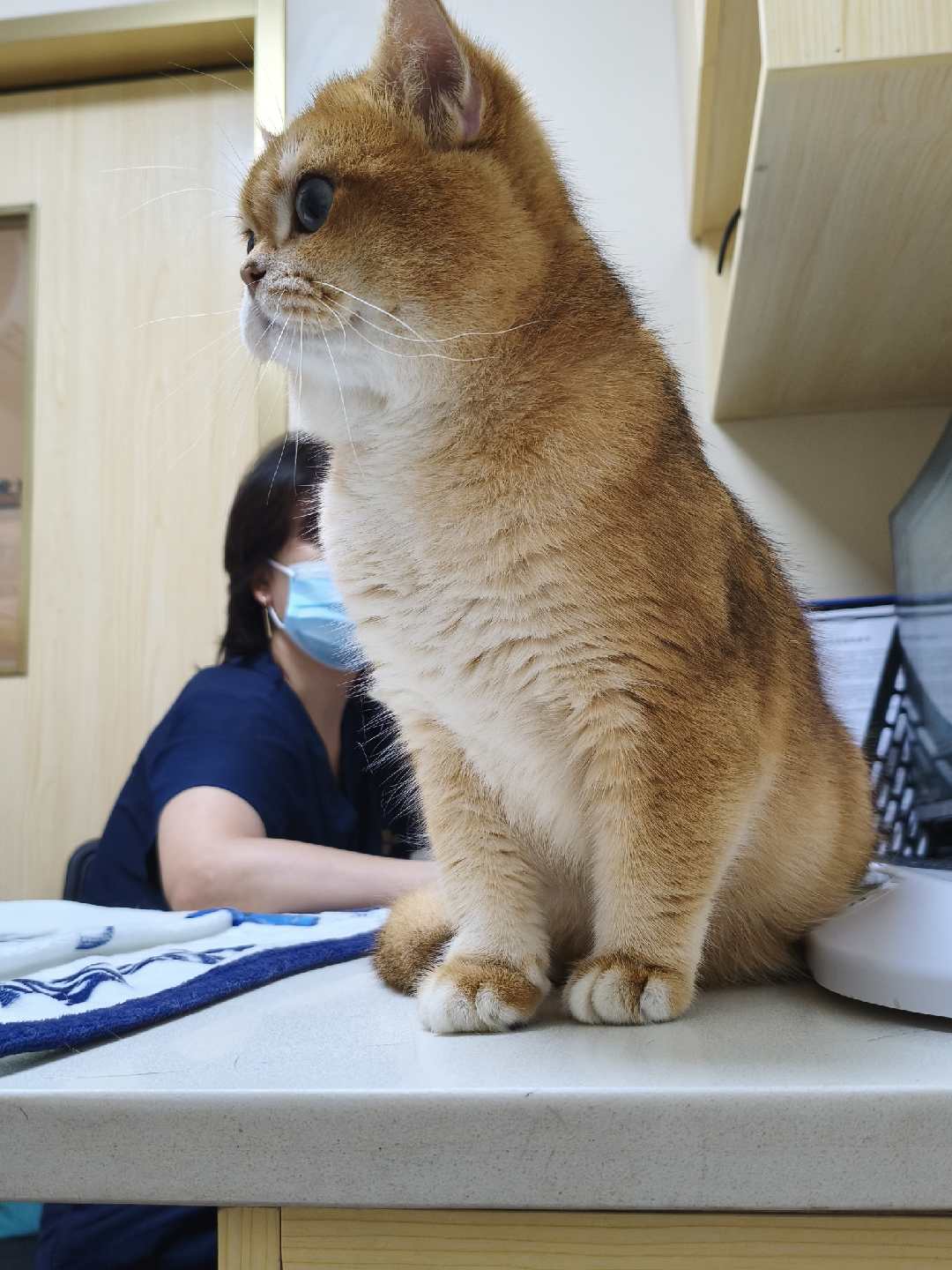
Before surgery, Didi sat calmly on the examination table, taking in the new environment with those wide, watchful eyes.
The Surgery
The ultrasound-guided neutering took about 20 minutes. Unlike traditional surgery where the vet cuts first and ties off blood vessels after, the ultrasound scalpel cauterizes blood vessels as it cuts. This means:
- Minimal bleeding — virtually bloodless
- Tiny incision — so small it barely needs stitches
- Less post-op pain — Didi was comfortable much sooner
- Faster healing — back to normal within 24-48 hours
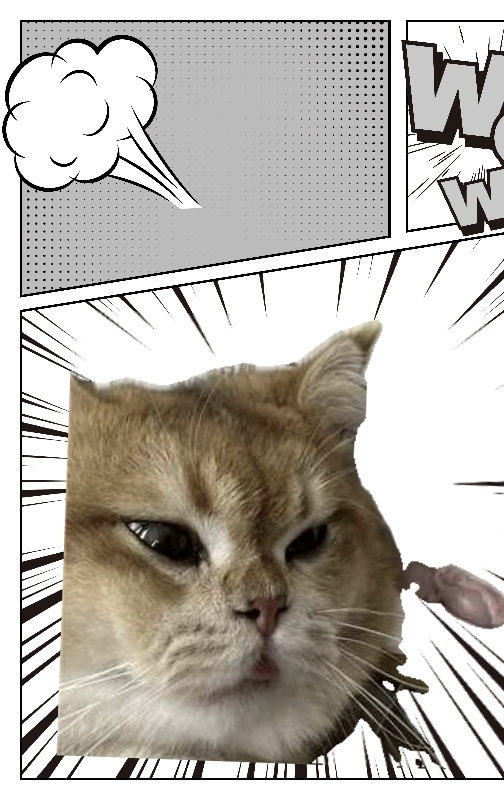
Here is Didi still under anesthesia, tongue out and completely out cold. Do not worry — the “props” next to him have been censored for sensitive viewers. The vet team took excellent care of him.
Recovery Begins: The Cone Chronicles
When we brought him home, he was still groggy from the anesthesia — wobbling around like a tiny drunk lion. The vet sent him home with a soft fabric cone (also called a sponge collar), which is much more comfortable than the traditional hard plastic one.
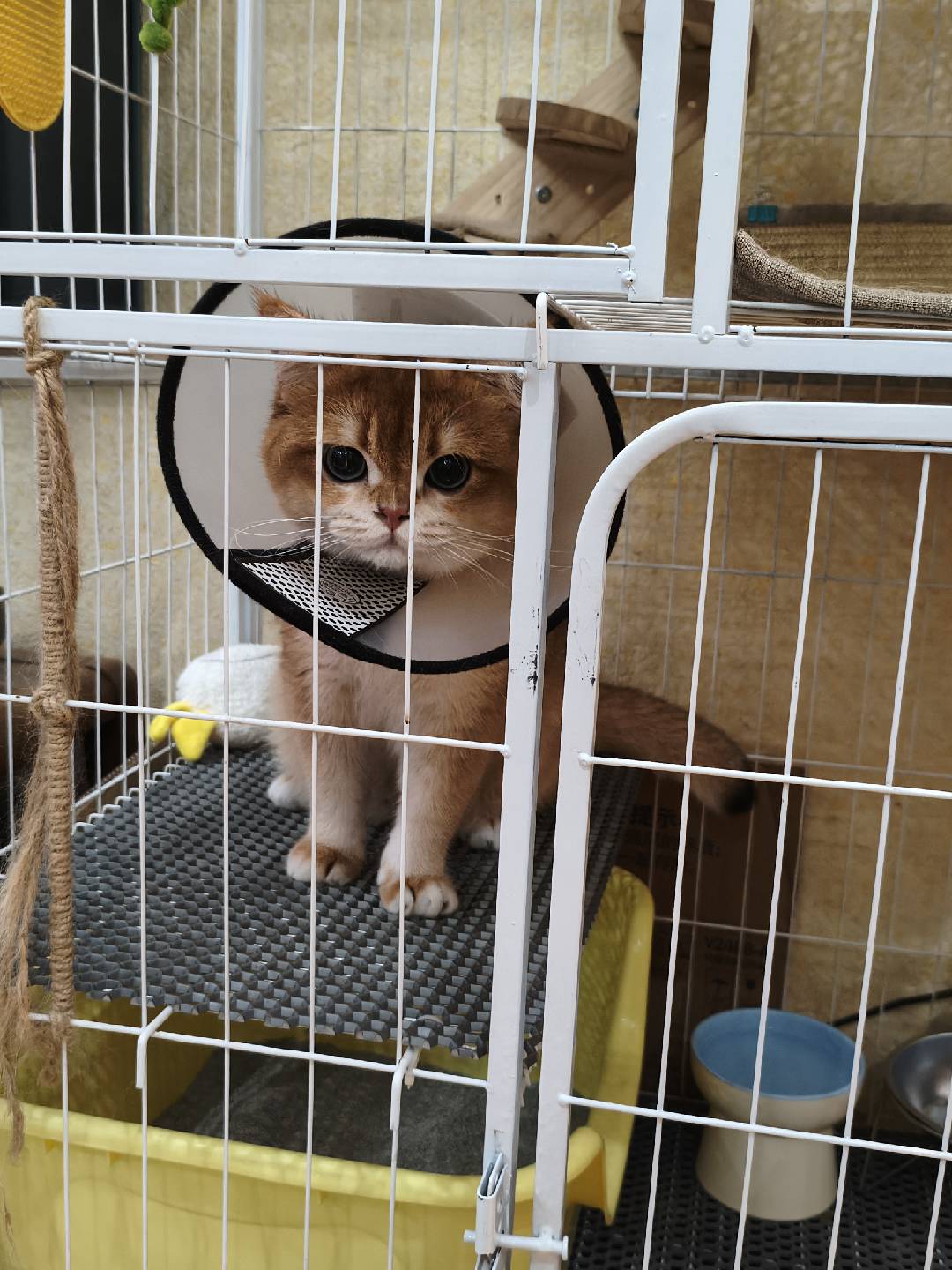
But Didi being Didi, he still gave us the most pitiful “why me” look. That face could melt the coldest heart.

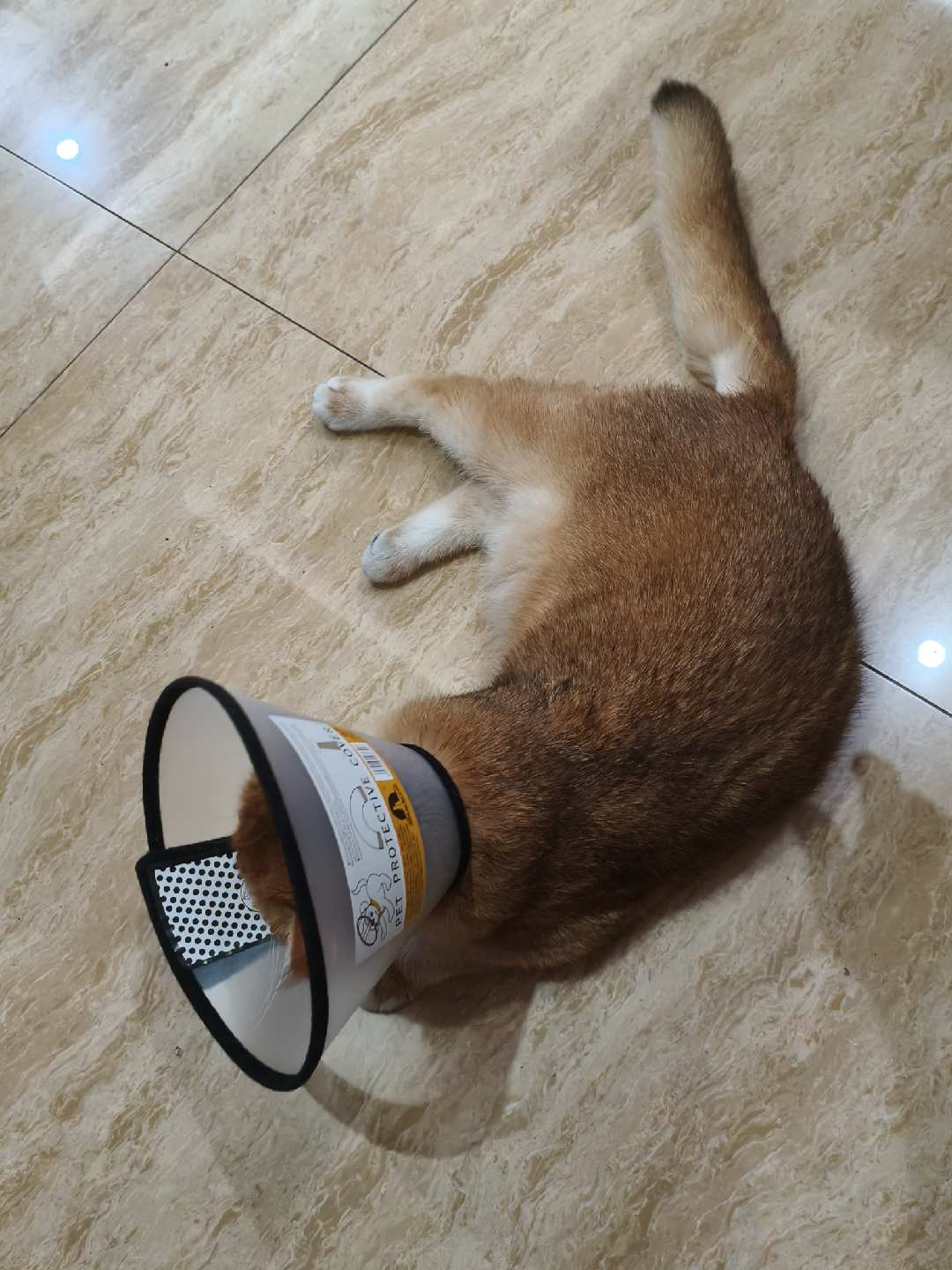
The hard plastic cone (the classic “cone of shame”) came out later. It works, but it is not comfortable — Didi kept bumping into everything, including the cage bars and door frames. We quickly switched back to the soft one.
Exhausted from the day, Didi eventually crashed on the cool tile floor, cone and all.
Eating Like Nothing Happened
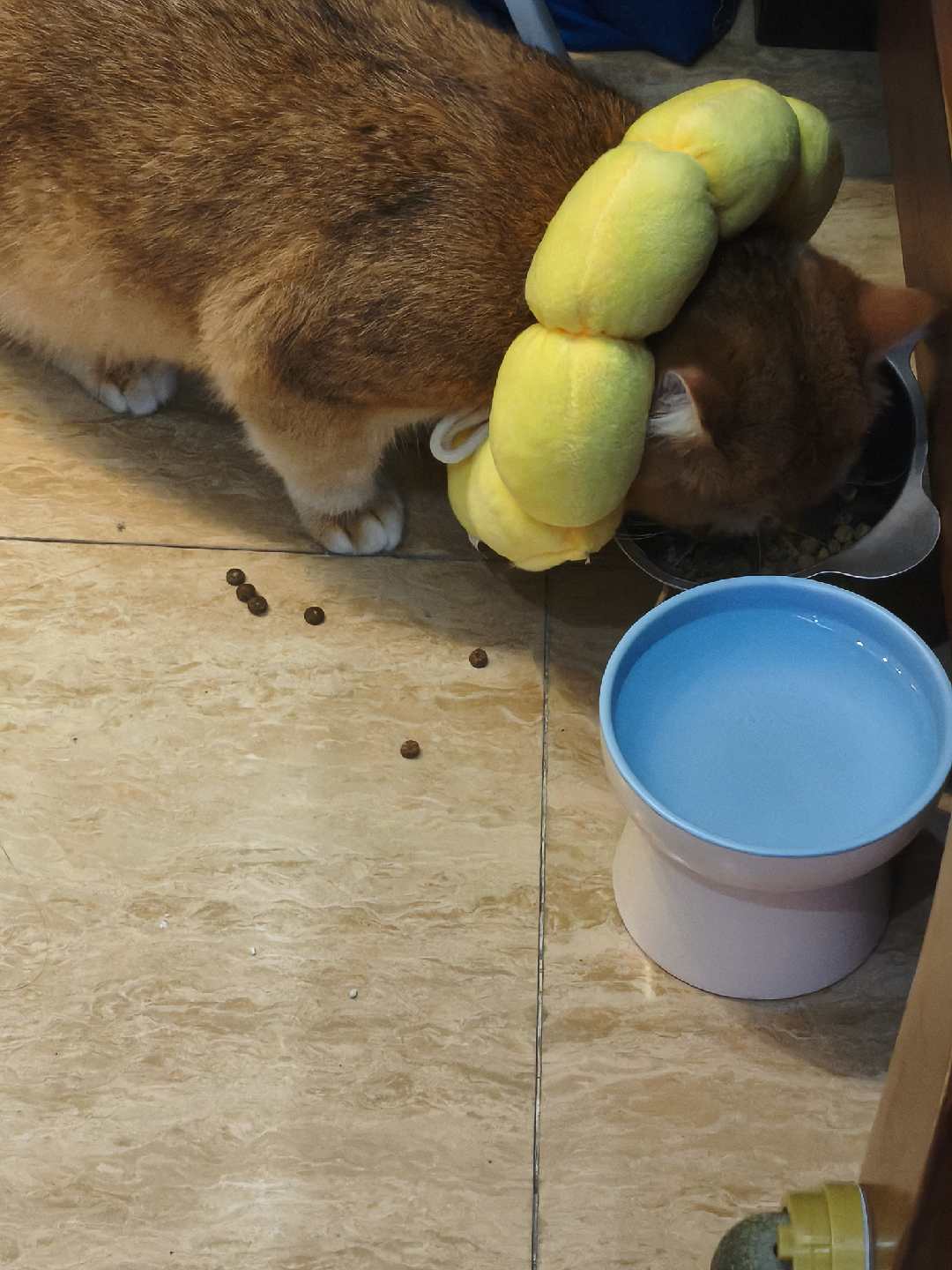
We were worried about whether Didi would eat with the cone on. Turns out, we had nothing to worry about. This guy walked straight to his bowl and started chowing down — even with a banana plush toy somehow draped across his back. Nothing stops a British Shorthair from mealtime.
First Trip to the Litter Box
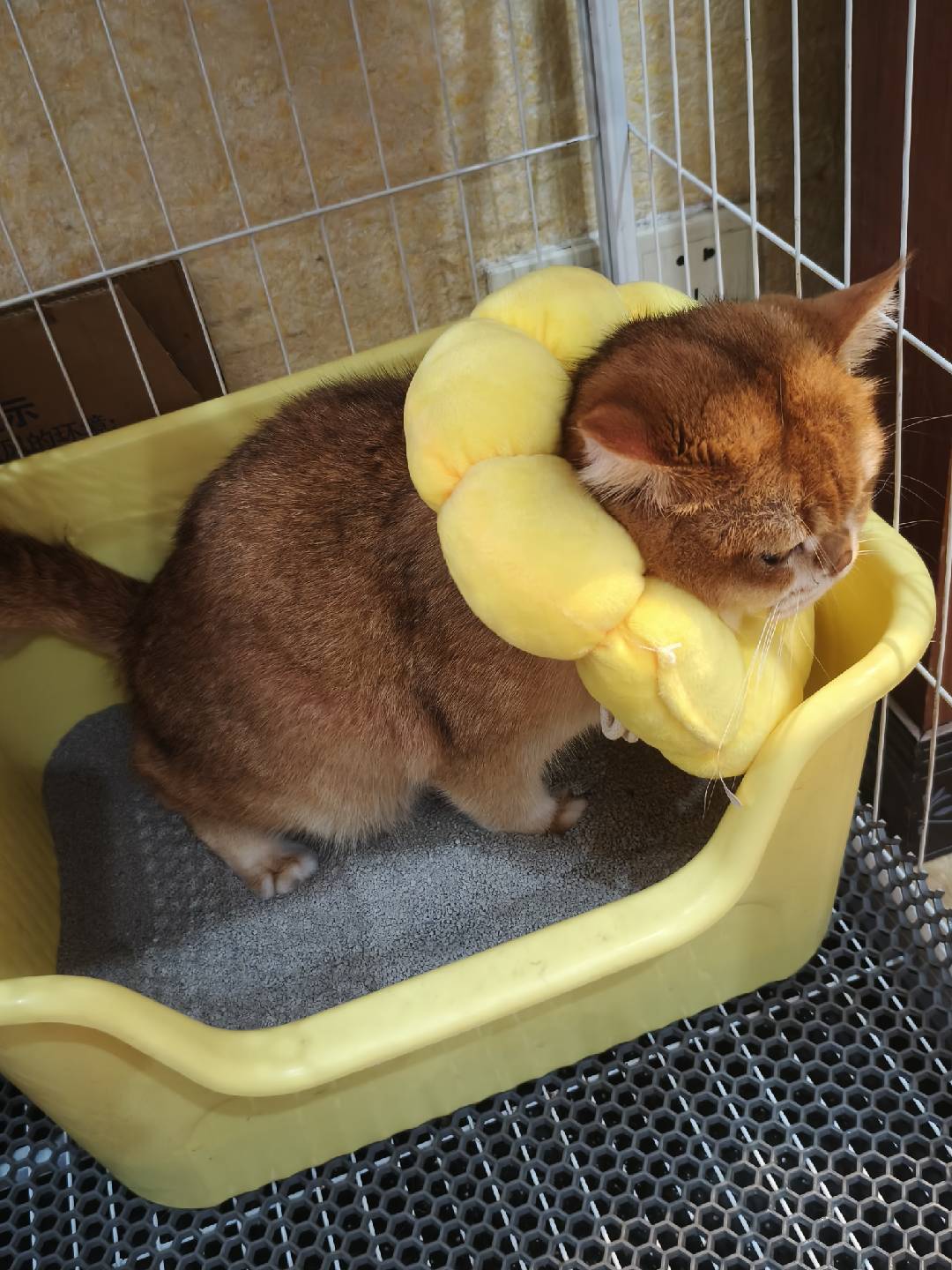
One of the biggest concerns after any surgery is whether they will use the litter box normally. Didi proved he was fine by hopping into his box and doing his business without any issues. We switched to a flower-shaped soft cone by this point — much cuter and easier for him to move around in.
Tips for Cat Parents Preparing for Neutering
- Follow the fasting instructions — typically 4-6 hours. No food, but water is usually okay.
- Bring a familiar blanket or toy — it helps reduce stress at the clinic.
- Choose a soft cone if possible — the fabric or inflatable collars are much more comfortable than hard plastic and still prevent licking.
- Monitor the first litter box visit — if they pee and poop normally within 12 hours, everything is on track.
- Keep them calm — no jumping or rough play for the first 48 hours.
- Check the incision daily — look for redness, swelling, or discharge. Ultrasound incisions are tiny and heal fast, but still worth monitoring.
- Trust your vet — if something feels off, call them. It is always better to ask.
Final Thoughts
24 hours after surgery, Didi is already back to his usual self — eating, drinking, using the litter box, and even trying to play (which we gently redirected to napping). The ultrasound-guided procedure made a huge difference in his recovery speed and comfort level.
Neutering is one of the best things you can do for your cat’s health and happiness. It reduces the risk of certain cancers, eliminates undesirable behaviors like spraying and roaming, and helps control the pet population.
If your vet offers ultrasound-guided neutering, we highly recommend it. Less pain, faster recovery, and a happier cat. What is not to love?
Here is to a healthy, happy future for our boy Didi! 🐱❤️
🐱 More in General